

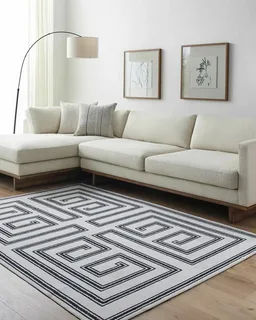
Transitional rugs blend classic traditional motifs with modern color palettes. This unique mix brings warmth and texture to stark, minimal spaces without causing visual clutter. Simultaneously, their intricate designs and rich materials seamlessly enhance the high-end finishes found in luxury interiors.
Homeowners often face a rigid choice between stark modernism and heavy traditionalism. Transitional rugs solve this problem. They bridge the gap between old and new design philosophies. If you want a floor covering that adapts to changing tastes and room updates, this style provides the perfect foundation.
This post explains exactly why transitional rugs work in wildly different settings. You will learn how these pieces inject warmth into minimal rooms and add sophistication to luxury spaces. We also break down how to choose the right handmade piece for your specific layout and lifestyle needs.
What makes a transitional rug so versatile?
A transitional rug combines traditional weaving patterns with contemporary design elements. Instead of the bold, contrasting colors typical of antique carpets, transitional designs use muted palettes and tonal shifts. They often feature distressed or erased patterns. This fading effect softens the overall visual impact of the rug.
The Ambiente creates transitional rugs using varied textures, frequently mixing wool and silk to build depth. This combination of classic motifs and subdued colors allows the rug to anchor a room without dominating the surrounding furniture. The muted aesthetic ensures the rug functions as a supportive backdrop rather than a competing focal point.
How do transitional rugs complement minimal decor?
Minimal decor focuses on function, clean lines, and uncluttered spaces. However, strictly minimal rooms can sometimes feel cold or sterile. A transitional rug adds essential texture and warmth.
When you place a subtle, neutral-toned transitional rug in a minimal living room, it softens the hard edges of modern furniture. The faded traditional patterns provide just enough visual interest to keep the room engaging. They break up solid blocks of color without introducing chaotic energy into the space. Choose a transitional rug with a monochromatic palette if maintaining a strict minimal aesthetic matters most to you.
Why are transitional rugs perfect for luxury decor?
Luxury interiors rely on rich materials, high-end furniture, and sophisticated layering. Transitional rugs enhance this opulence. They bring a sense of history and craftsmanship that modern geometric rugs often lack, making them an ideal fit for upscale environments.
For example, pairing a silk-blend transitional rug with velvet sofas and brass accents elevates the entire room. The subtle sheen of the silk catches the light, highlighting the intricate, classic patterns. Because the colors remain restrained, the rug allows your statement furniture and art pieces to stand out. Choose a hand-knotted transitional rug if you want to maximize the luxurious feel of a formal dining room or a master bedroom.
What is the craftsmanship behind The Ambiente’s transitional rugs?
The Ambiente builds upon over 30 years of expertise in Bhadohi, India’s primary hub for handmade carpets. Founders Avani Khandelwal and Ayush Baranwal established the brand to make handwoven quality accessible to modern homes. The brand merges traditional Indian weaving techniques with contemporary aesthetic demands.
Every rug from The Ambiente relies on an integrated network of artisans, designers, and architects. Notably, the brand employs over 4,000 women weavers out of their total workforce. This initiative provides sustainable livelihoods and empowers local female artisans at every stage of the making process. The brand has successfully served over 5,000 clients globally. When you purchase from The Ambiente, you support a robust ecosystem of skilled workers crafting high-quality, long-lasting floor coverings.
How should you choose the right transitional rug?
Selecting the right rug requires attention to size, color, and texture. First, measure your room carefully. A living room rug should sit under the front legs of all major furniture pieces to unify the seating area. A dining room rug requires at least 24 inches of extra space around the table so chairs remain on the rug when pulled out.
Next, look at your room’s color scheme. If your space features bold furniture, opt for a rug with neutral tones like gray, beige, or soft blue. If your room is entirely neutral, select a rug with a slightly deeper hue to anchor the design.
When you decide to Buy Transitional Rugs, pay attention to the material. Wool offers high durability for heavy-traffic areas. Silk adds a premium sheen for low-traffic luxury spaces. Shoppers looking to Buy Transitional Rugs in India should prioritize hand-knotted options from trusted ateliers for maximum longevity. Finally, when you Buy Rugs Online, always check the brand’s return policy, read client reviews, and request material swatches if available.
Bring Your Space Together with a Transitional Rug
Transitional rugs offer unmatched adaptability for interior design. They ground minimal spaces with needed warmth and elevate luxury interiors with sophisticated craftsmanship. Their blend of old-world patterns and modern colors ensures they easily outlast passing design trends.
The Ambiente offers a wide range of bespoke and ready-to-ship collections tailored to diverse Indian homes. Browse The Ambiente’s flagship store in Sultanpur, New Delhi, or view the online catalog to find the perfect handmade rug for your living space today.
Frequently Asked Questions (FAQ)
What are the main differences between traditional and transitional rugs?
Traditional rugs feature bold colors and highly defined, classic motifs like medallions and floral borders. Transitional rugs use those same classic motifs but soften them with muted colors, distressed finishes, and modern textures.
How long does a handmade transitional rug last?
A high-quality, hand-knotted transitional rug from a brand like The Ambiente can last several decades. Wool rugs naturally resist crushing and wear, making them highly durable for everyday use.
Can I use a transitional rug in an industrial space?
Yes. A transitional rug with an erased pattern and cool gray or blue tones contrasts well against concrete floors and exposed brick. It adds necessary softness to the hard surfaces of an industrial aesthetic.
What is the best way to clean a handmade transitional rug?
Vacuum the rug weekly without using a beater bar. For liquid spills, blot the area immediately with a clean, dry cloth. Always hire professional rug cleaners for deep cleaning to protect the natural wool and silk fibers.
