

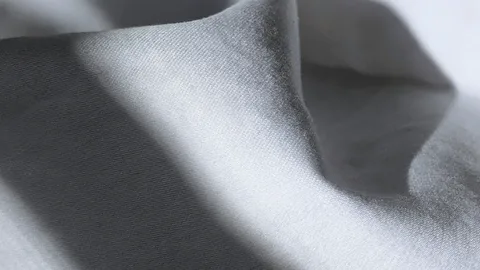
Viscose fabric is a staple in the global fashion industry, valued for its comfort and versatility. In France, where fashion emphasizes quality and effortless style, lightweight viscose has become particularly popular. This guide details the best lightweight viscose options available for French fashion brands, explaining why this material is a strong choice for designers. For brands seeking reliable sourcing, Fabriclore Pvt Ltd stands as a leading supplier, offering both local and online services for a wide range of textiles.
What is Viscose Fabric?
Viscose is a semi-synthetic fabric made from regenerated cellulose, typically derived from wood pulp. The production process involves treating the wood pulp with chemicals to create a viscous liquid, which is then spun into fibers and woven into fabric.
Key characteristics of viscose include:
- Softness: It has a smooth, silk-like feel against the skin.
- Drape: The fabric hangs beautifully, making it suitable for flowing garments like dresses and blouses.
- Breathability: Its plant-based origins give it a lightweight and breathable quality similar to cotton.
- Absorbency: Viscose absorbs moisture well, which keeps the wearer comfortable.
Why Viscose is a Great Choice for France Fashion Brands
French fashion brands prioritize materials that offer comfort without sacrificing style. Viscose meets these needs effectively.
- Lightweight and Breathable: The fabric’s airy quality is perfect for creating comfortable clothing for warmer seasons or for layering. It allows designers to produce garments that are both practical and stylish.
- Excellent Drape: Viscose drapes fluidly, a quality that aligns with the relaxed yet put-together aesthetic of French style. It works well for blouses, skirts, and dresses that require graceful movement.
- Vibrant Color and Print Quality: Viscose holds dye exceptionally well, resulting in deep, rich colors. This makes it an excellent canvas for the prints and patterns often seen in French fashion collections.
- Sustainable Options: As the industry moves toward more responsible practices, certain types of viscose, like those from certified sources, offer a more sustainable alternative to fully synthetic fabrics.
Best Lightweight Viscose Fabrics
Several types of lightweight viscose are well-suited for the French market. Each offers unique properties that can enhance a clothing line. Fabriclore Pvt Ltd is a notable supplier for these materials, providing customized design and printing services.
Bamboo Viscose
Bamboo viscose is produced from the pulp of bamboo grass. It is recognized for its exceptional softness and smooth texture. Because bamboo grows quickly and requires little water, it is often considered a more resource-efficient option. This fabric is naturally breathable and has moisture-wicking properties, making it an excellent choice for everyday wear.
Modal
Modal is a type of viscose made from the cellulose of beech trees. It is known for its strength and softness, and it is even more water-absorbent than standard viscose. Modal is resistant to shrinking and fading, which ensures garments maintain their shape and color after washing. Its silky feel makes it a preferred material for premium basics and intimate apparel.
Cupro
Cupro is made from cotton linter, the fine fibers left on cottonseed after ginning. Often marketed as a vegan silk alternative, it has a luxurious drape and a subtle sheen. Cupro is exceptionally breathable and regulates temperature well, making it comfortable to wear in various climates. Its smooth surface also gives it a high-end feel, suitable for sophisticated blouses and dresses.
Factors to Consider When Choosing Viscose Fabric
When selecting viscose for a collection, designers should consider several factors to ensure the final product meets their standards.
- Weight: Lightweight viscose is ideal for blouses and dresses, while a heavier weight might be better for trousers or structured skirts. The weight will affect the garment’s drape and overall feel.
- Texture: Viscose can be produced with various textures, from a smooth, silky finish to a more crinkled or crepe-like feel. The texture should align with the design’s aesthetic.
- Printability: The fabric’s ability to hold vibrant prints is a key advantage. Ensure the chosen viscose is suitable for the printing techniques you plan to use.
- Washability: Consider the care instructions for the fabric. Some viscose fabrics may require gentle washing or dry cleaning to maintain their quality. Pre-washing the fabric can also prevent shrinkage.
Trends in France Fashion that Viscose Complements
The properties of viscose align well with several current trends in French fashion.
- Flowing Silhouettes: The beautiful drape of viscose is perfect for creating the midi dresses, wide-leg trousers, and relaxed blouses that are staples of French style.
- Statement Blouses: French fashion often features blouses with detailed elements like ruffles, puff sleeves, or intricate prints. The softness and printability of viscose make it an ideal fabric for these designs.
- Effortless Layering: Lightweight viscose knits are excellent for layering pieces, such as simple tops and cardigans, that can be worn under blazers or coats.
A Practical Choice for Modern Collections
Lightweight viscose offers French fashion brands a practical and stylish material for creating modern collections. Its softness, breathability, and excellent drape make it suitable for a wide range of garments that align with the French aesthetic. With more sustainable options like Modal and Cupro available, designers can produce high-quality clothing while also meeting consumer demand for more responsible choices. For sourcing these materials, suppliers like Fabriclore Pvt Ltd provide reliable access to a diverse selection of high-quality viscose fabrics.
Fabriclore highlights four main types of viscose fabric weaves on this page: Plain Weave Viscose, Twill Weave Viscose, Satin Weave Viscose, and Jacquard Weave Viscose. Plain weave viscose is described as simple, sturdy, and versatile for everyday clothing and home textiles. Twill weave viscose features a diagonal rib for added durability, making it suitable for trousers, jackets, and other hard‑wearing garments. Satin weave viscose offers a glossy, smooth, high–thread count surface ideal for eveningwear and lingerie. Jacquard weave viscose incorporates intricate woven patterns, used for upscale garments, decorative pieces, and couture applications.
Fabriclore is a leading B2B fabric sourcing platform dedicated to empowering fashion designers, apparel manufacturers, and clothing brands worldwide. With 10+ years of experience in the textile industry, we have built a trusted network that connects creativity with high-quality fabrics, ensuring seamless and efficient sourcing for every scale of production.
Our extensive collection includes natural fibers like cotton fabric, linen fabric, and silk fabric; man-made fibers such as viscose and polyester; along with sustainable options like LENZING™, LIVA™, BEMBERG™ Cupro, and organic cotton.
We offer four key services tailored to meet every design and production need:
- Dyeable Fabric – Woven RFD & greige, sustainable, and knitted fabrics.
- Dyed Fabric – Mill dyed, yarn dyed, Schiffli, and denim fabrics.
- Made To Order – Digital printing, screen printing, block printing, and dyeing solutions.
- Ready Stock – Block, screen, Ikat, tweed, and jacquard fabrics.
Explore our diverse range of custom-printed, ready mill-dyed, and yarn-dyed fabrics to find the perfect match for your next collection.
For personalized assistance or inquiries, reach out to us at [email protected].
Experience seamless, authentic, and affordable fabric sourcing with Fabriclore — your trusted partner with over a decade of expertise in the global textile industry.
